
Warmer floors in winter
Insulation under the floor reduces heat loss through the timber, keeping the floor surface noticeably warmer. This is especially valuable in older Wonga Park homes where the subfloor is exposed to outside temperatures.
Wonga Park
Underfloor insulation installed under suspended timber floors in Wonga Park stops cold floors and draughts through floorboards. We fit glasswool, polyester or rockwool batts between joists in the subfloor to improve thermal resistance and comfort.
Share your details and Expert Insulation Melbourne will contact you about Underfloor Insulation in Wonga Park.
Underfloor insulation is fitted between the floor joists from the subfloor under suspended timber floors. In Wonga Park homes with stumps and bearers, this blocks cold air rising through gaps in the floorboards and reduces heat loss through the floor in winter. We use bulk insulation batts rated from R1. 5 to R2.
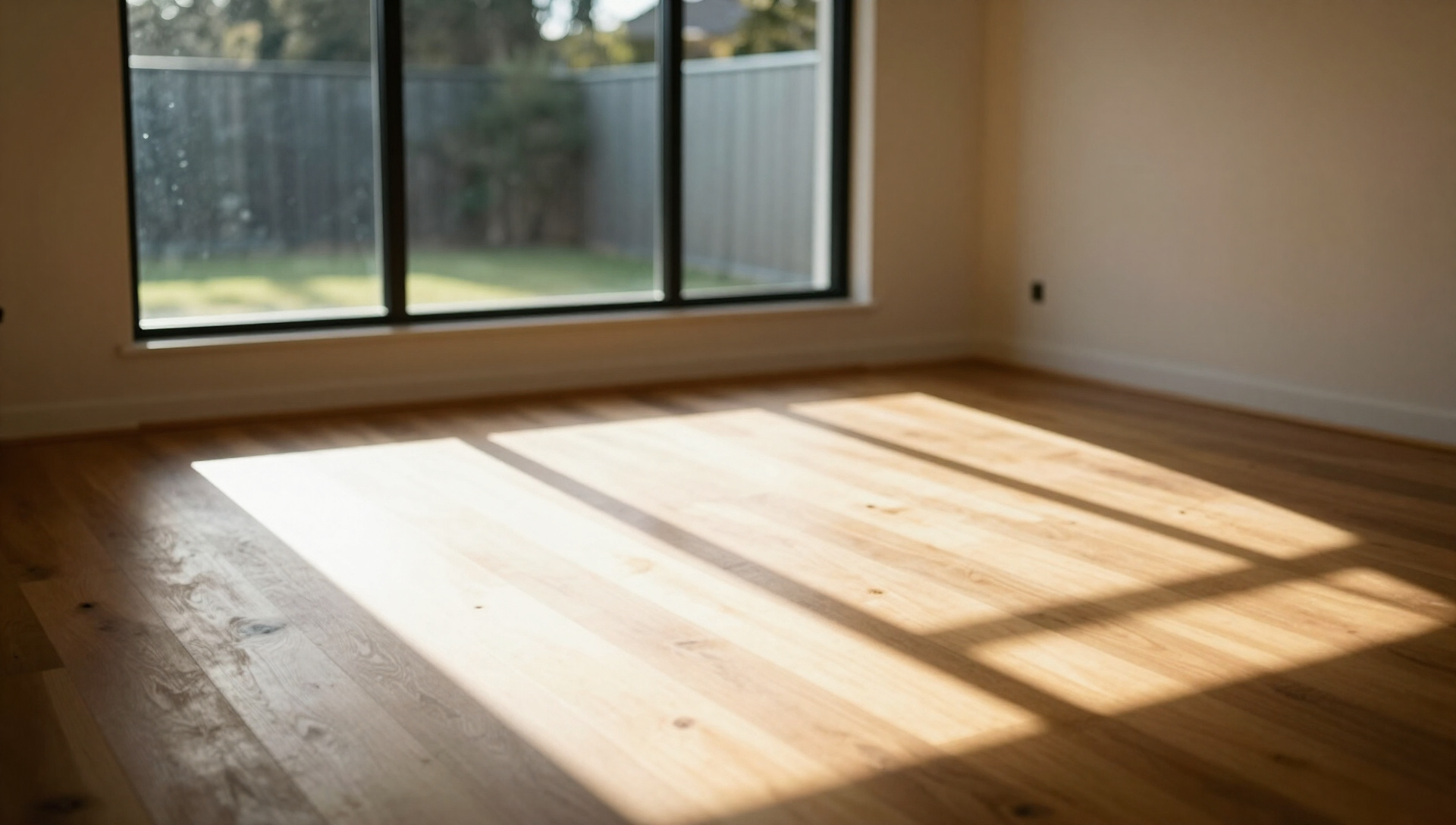
Wonga Park sits in Melbourne’s outer east where winters are cold and damp and summers can be hot. Many homes here have suspended timber floors that let cold air rise through the floorboards. Underfloor insulation addresses this directly by adding a thermal barrier beneath the floor.
Insulation under the floor reduces heat loss through the timber, keeping the floor surface noticeably warmer. This is especially valuable in older Wonga Park homes where the subfloor is exposed to outside temperatures.
Gaps between floorboards and around skirting let cold air in. Underfloor batts block these draughts, improving comfort and reducing the load on heating systems during Melbourne’s cold winters.
By slowing heat loss through the floor, the home retains warmth longer. This can reduce the need for constant heating, cutting energy use and costs over time.
While the main benefit is winter warmth, underfloor insulation also helps moderate summer heat entering through the subfloor, contributing to a more stable indoor temperature.
Properly installed batts with a vapour barrier help manage moisture in the subfloor, reducing the risk of condensation that can lead to mould or timber damage in Wonga Park’s damp climate.
Bulk insulation absorbs sound, reducing noise transfer between floors and from the subfloor space, which can be noticeable in two-storey homes or those near busy roads.
Installing underfloor insulation requires access to the subfloor, usually through a crawl space or by lifting sections of flooring. We work carefully to ensure batts are fitted snugly between joists without gaps or compression, which would reduce performance.
We check the subfloor for adequate crawl space, moisture issues and any existing insulation. Access points are identified, and we ensure there is enough room to move and fit batts between joists.
The area is cleared of debris, and we check for electrical cables or plumbing that must be worked around. If old insulation is present and its condition is unknown, work stops until a qualified assessor inspects it.
Batts are cut to size and friction-fitted between the floor joists, ensuring no gaps at the edges or around pipes. We maintain the required clearance from flues or heat sources and avoid compressing the material.
Once all batts are in place, we inspect the installation for consistent coverage and secure fit. The subfloor is cleared of offcuts and debris, and access points are restored.
Wonga Park has many homes built on stumps and bearers with suspended timber floors, which are prone to cold floors and draughts. The suburb’s position in Melbourne’s outer east means it experiences cold, damp winters and hot summers, making underfloor insulation a practical upgrade for year-round comfort. Nearby areas like Warrandyte and Ringwood share similar housing styles and climate, so the same principles apply.
Stop cold floors and draughts in Wonga Park with underfloor insulation fitted under suspended timber floors.
Homeowners in Wonga Park often ask about access, R-values and whether their home is suitable. Here are the most common questions we answer on site.
Underfloor insulation in Wonga Park is installed under suspended timber floors to stop cold air rising through floorboards and reduce heat loss in winter. Many homes in this part of Melbourne’s outer east have stumps and bearers, making them ideal candidates for subfloor batts. We use bulk insulation materials like glasswool, polyester or rockwool, chosen for their thermal resistance and suitability for the crawl space.
The R-value for underfloor insulation typically ranges from R1.5 to R2.5, depending on the available joist depth and the homeowner’s goals. Higher R-values provide greater thermal resistance, which is beneficial in Wonga Park’s cold winters. The installation process involves accessing the subfloor, fitting batts snugly between joists and ensuring no gaps or compression that would reduce performance.
Signs a Wonga Park home needs underfloor insulation include cold floors in winter, noticeable draughts through floorboards and higher than expected heating costs. Older homes with thin or missing subfloor insulation benefit the most. Costs are influenced by the floor area, joist spacing, crawl space access and the chosen R-value. A site inspection provides an accurate assessment of what is required.
If your Wonga Park home has cold floors or draughts through the floorboards, underfloor insulation can make a noticeable difference. We install batts under suspended timber floors to improve comfort and reduce energy use.